March 2025
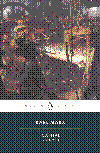 |
capital volume i(marx)★★★★½stalled reading this ever since I was a 15-year-old "socialist-not-communist" reading the manifesto for the first time. partly because marx is called hard to read but that's because no one really reads marx. despite hegel's influence, he is really clear without being too dry or too ornamented. and despite the intimidating length, he repeats concepts when they become relevant again. and I like how capital reminds you that women were always in the working class even before the "we can do it" poster. it will be interesting to read more of the Frankfurt school after reading the marx before them and the deleuze & guattari after them. |
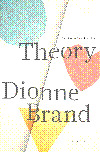 |
theory(brand)★★★[read for class] felt like peak literature after cloud atlas. it was cute. also refreshing to read a woman writer; you'll think you're a uniquely unidentifiable subhuman until you remember that everything you read/hear/watch is made by men. this book also reminds you that academics and their navel-gazing are really embarrassing. |
 |
cloud atlas(mitchell)★[read for class] longest 400 pages of my life; so boring I thought I was losing the attention span I'm so proud of having. I like that studying english forces me to read beyond my taste, and I can always get something out of books I don't even enjoy. but I really struggled to feel anything for cloud atlas. it was too much plot. I get why we're reading it for the postmodernism unit, but does postmodernism have to be so corny? I lost the little investment I had when the sci-fi dystopia turned out to be north korean. (hover to view spoilers) my one positive is that I liked the robert chapters, and the second one at the end even slightly revived my interest in the book. but timothy's chapters were insufferable to read and it only gets worse. homestuck did it better! |
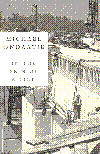 |
in the skin of a lion(ondaatje)★★★[read for class] reminded me of Upton Sinclair's the jungle, not only for the early 20th century eastern european industrial labourers, but the narrator's references to his work with archives made me think of Sinclair's journalistic style. we also read it with Hayden White and the lacanian-historian-literary-critic indulged me. |
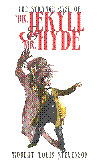 |
the strange case of dr. jekyll and mr. hyde(stevenson)★★★ ½[read for class] like Frankenstein, the plot details feel a little too convoluted when its premise is already general cultural knowledge. but I enjoyed it. |