October 2025
 |
the crying of lot 49(pynchon)★★★★failed to make it through fredric jameson's geopolitical aesthetic but at least it led me to reading this (and watching videodrome). pynchon's is maybe the best prose I ever read. and I think I can admit now that I have a much better impression of american literature than I do british. I won't say that I understood all of the crying, but I had abandoned understanding and hermeneutics long ago. |
 |
pride and prejudice(austen)★★ ½[read for class] I don't have regency era courtship fantasies. I'm sorry women. I don't care enough to keep track of every mr. and mrs., and I lose my attention half way through every long formulation of british politeness that seem to take up 70% of the word count. and it's hard to follow along the lack of dialogue tags when you're only paying half attention. I will say that I liked it more than northanger abbey, and that I can't deny mr. Darcy's charm. but jane austen is what pocketcat from fear and hunger meant about extroverted artists. it's interesting that miranda from the collector read so much austen, I feel like pride and prejudice was the blueprint for the bourgeois humility she so loathes. |
 |
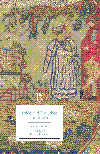
the collector(fowles)★★★★[read for bookbug] surprised I liked it. the collector reads fast, I was very much hooked, and I had the pleasure of reading a little more passively as a relief from my class readings (no offense to genre fiction). what really subverted my prejudice against crime fiction is that the female victim was infinitely more interesting than the villain. I think of slashers, where the killers are often offered more depth than the final girl, even in their mystery. I also thought I would be annoyed by the art student but they seem to have been more interesting in the mid-century than they are now. miranda was very relatable to me and I was indulged by her resentment of the petit-bourgeois "new people," I thought of the nietzschean ascetic and erika kohut's hatred of the mediocre (I weigh my enjoyment of anything relative to its similarity with Jelinek's the piano teacher). I felt it deeply when she was compelled to interject that she may "meet someone and fall in love with him and marry him and … become a Little Woman. One of the enemy" despite her conviction in nonconformity, and when she gushed about being essentially born in the right generation. I also resonated with the story about the encounter between her friends and the american army sergeant. (hover to view spoilers) and my favourite quote: "I've got lots of friends. Do you know why? Because I'm never ashamed of them. All sorts of people. You aren't the strangest by a long way. There's one who's very immoral. But he's a beautiful painter so we forgive him. and he's not ashamed. you've got to be the same. not ashamed." I didn't care for frederick or the plot. ultimately, I was surprised that a male author invested the time to write a woman character so well. |
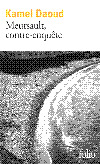 |
meursault, contre-enquête(daoud)★★★ ½[read in french] I had to reread the stranger for class this semester and excerpts of this were assigned too, so I thought to read it all for french practice. I heard of kamel daoud before because french book youtube hated him and the prix goncourt but I forget why; I couldn't find a reason not to like meursault. I liked how it brought the stranger down to earth, to something more material, ironically because camus was trying to write a critique of religion. il me donna à voir l'âme du meurtrier comme si j'étais son ange. I think daoud well addresses how camus doesn't escape the same kind of narrativization the court uses against meursault. and I can always enjoy a little non-linearity. |